
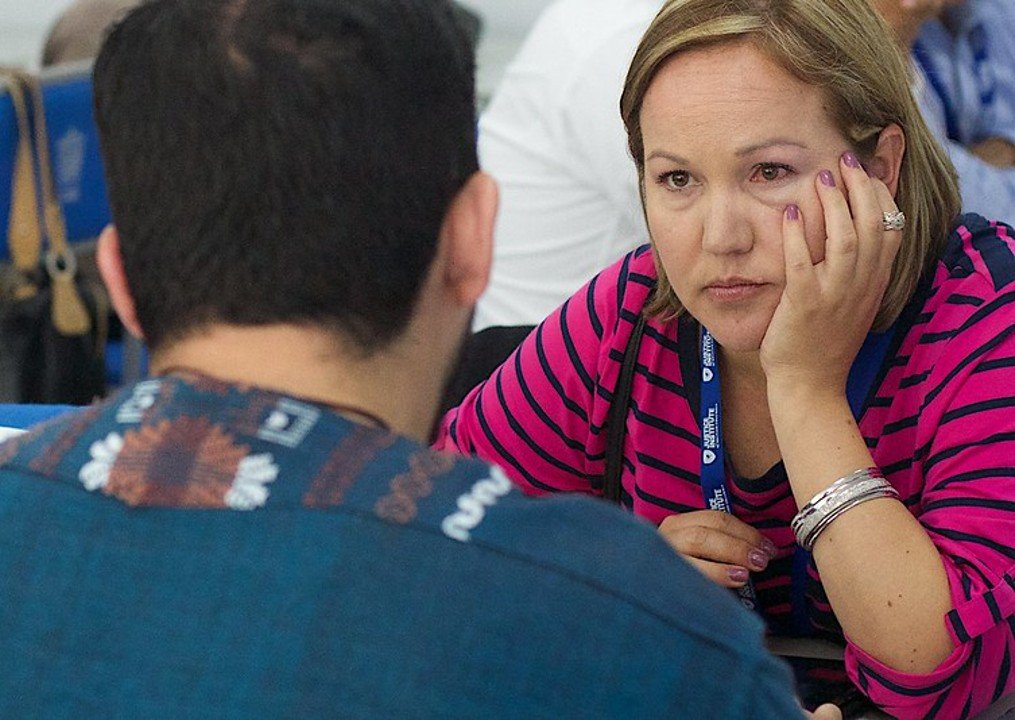
One of the things we often fail to consider when encountering crisis is the impact of larger cultural trends. A particularly damaging trend is the belief that empathy–or the ability to see another person’s perspective—is a deficit. The Atlantic’s Helen Lewis noted this recently, reporting that:
Many MAGA figures have identified the surfeit of feminine empathy as a political issue. The first episode of Douglas Wilson’s Man Rampant podcast was called “The Sin of Empathy.” The Canadian marketing professor Gad Saad issues regular condemnations of “suicidal empathy” between posts complaining that women “no longer wear any real clothes and instead are always in athleisure.”
But empathy is not singularly equated with feminism or, for that matter, political orientation. Part of that misunderstanding comes from a perception that empathy is a sign of weakness. Says Matthew Maniciani, in a recent Medium post:
Things like empathy, kindness, and displays of emotion are often considered bad or wrong by the manosphere, signs of weakness rather than normal expressions of the self. Doing something like going to therapy is a major sign of being a beta cuck (does anyone say that seriously anymore?), and daring to open up emotionally to someone, to make yourself vulnerable, is a total sin.
This blinkered view of empathy is due to a real crisis in the United States. More on toward the end of this post. First, it’s important to understand that empathy is essential when understanding the story of crisis. That’s because of a core precept of an organizational crisis that is almost always true:
You don’t determine that the organization has a crisis—your stakeholders do.
When we understand that, we understand that we must have empathy to understand what is the crisis, what we can do about it, and how we can help stakeholders, and us, recover from the crisis. This dynamic, of course, may not completely hold true for an interpersonal crisis but, even there, it’s important to do perspective taking. It allows you to see better where others are struggling and not simply focus on your own challenges.
The crisis informing a lack of empathy is today’s complexities. Take, for example, younger Americans, who automatically face an empathy deficit because of a lack of life experience and a still-developing prefrontal cortex (that area of the brain governs empathy). They face uncertain job prospects, self-interested influencers who try to sell divisive gender roles, and too many older Americans who role model belligerence and a lack of self-control.
The result is the inaccurate belief that empathy is weakness. While I’m not big on psychic mediums, Anthon St. Maarten has accurately pointed out, “To feel intensely is not a symptom of weakness, it is the trademark of the truly alive and compassionate. It is not the empath who is broken, it is society that has become dysfunctional and emotionally disabled.”
There may be no easy answers to this in the short term. But we do know that displaying empathy can make the difference. If it doesn’t prevent a crisis, it can sure help manage it. People in crisis want to know that you’re hearing them and their story of crisis. Without that, it’s hard to progress towards overcoming a crisis.